Land for Sale in Pakistan: A 2026 Buyer’s Guide to Smart Plot Investment
Searching for land for sale in Pakistan can feel overwhelming when every advertisement promises “guaranteed returns” and “prime location.” In 2026, with inflation still shaping household budgets and urban sprawl pushing further into the twin cities, buyers need more than marketing slogans. They need a clear framework for comparing plots, understanding payment structures, and verifying legal standing before committing their savings to a piece of earth.
This guide walks through what actually matters when you evaluate residential and commercial land in Pakistan today, from location fundamentals to documentation checks, so you can make a decision you won’t regret in five years.
Why Land Remains Pakistan’s Favourite Asset Class
Unlike stocks or mutual funds, land doesn’t vanish overnight because of a bad earnings report. Pakistani households have historically treated real estate as the default savings vehicle, and that habit hasn’t changed in 2026. Rising construction costs, currency depreciation, and a growing urban middle class continue to push demand for plots in well-planned societies, especially around Islamabad, Rawalpindi, and the GT Road corridor.
Land also offers flexibility that built property doesn’t. A residential plot can be held, built upon, or resold as a commercial asset depending on zoning, while an already-constructed house locks you into one use case. That flexibility is a major reason investors keep searching for land for sale in Pakistan rather than ready-made units.
What Makes a Plot Worth Buying in 2026?
Not every plot advertised online deserves your money. Before shortlisting anything, run it through these checks:
- Approved layout plan: Confirm the society has NOC approval from the relevant development authority, not just a “file open” status.
- Physical possession stage: Ask whether development work (roads, electricity, sewerage) has actually started on site, not just on paper.
- Access roads: Proximity to a motorway, expressway, or GT Road interchange materially affects both resale value and rental potential.
- Payment plan flexibility: Installment-based plans reduce upfront pressure but check for mark-up on late payments.
- Title clarity: A clean chain of ownership with no pending litigation is non-negotiable.
Among the newer developments meeting these criteria, Silver City has built a reputation for transparent documentation and phased delivery. If you’re comparing options, Land for sale in pakistan listings there are a useful benchmark for what a properly structured society should offer.
Residential vs Commercial: Which Plot Type Fits Your Goal?
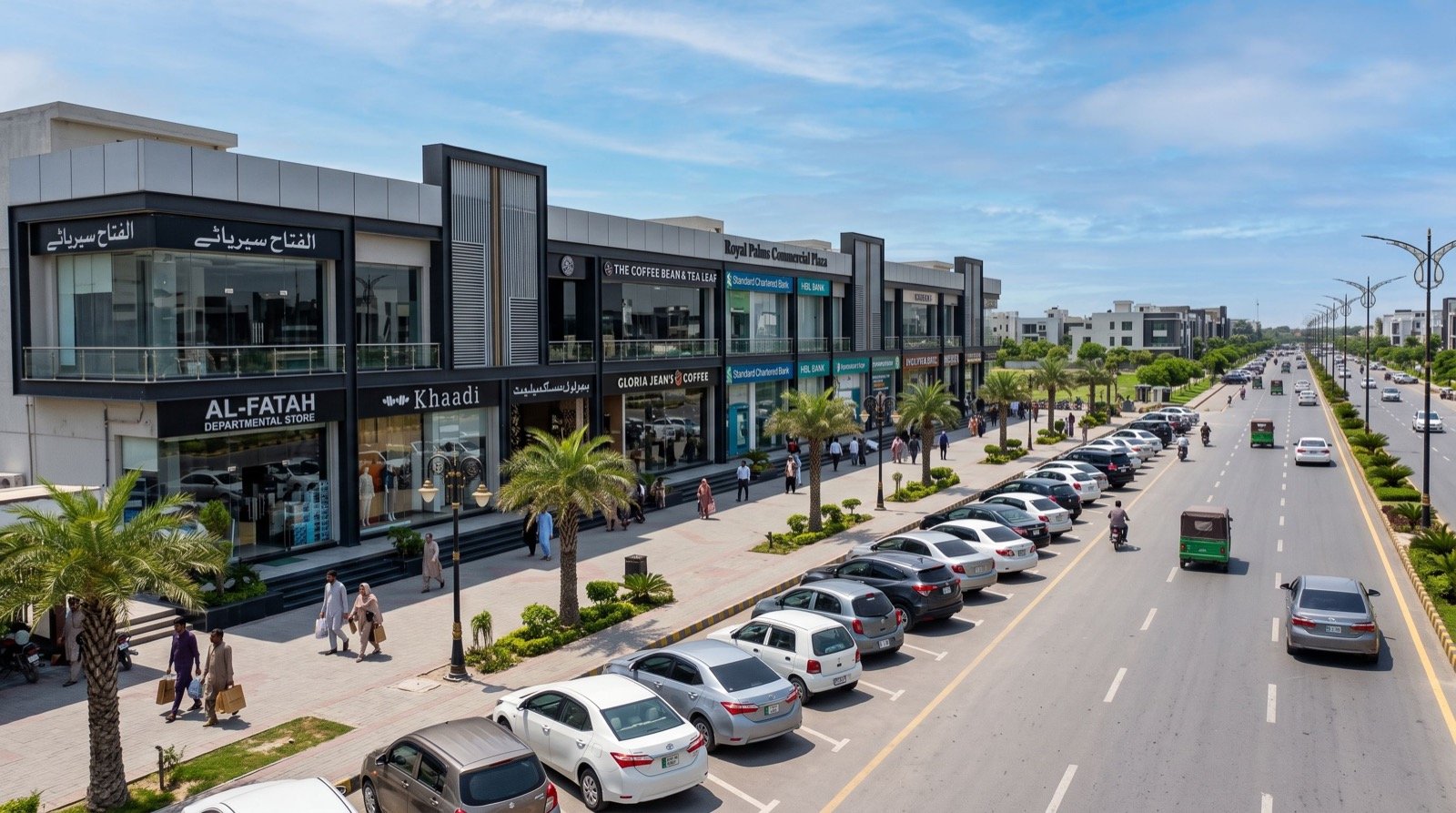
Many first-time buyers assume residential plots are automatically the safer choice. That isn’t always true. Commercial plots along expressway-facing blocks often appreciate faster because footfall and visibility drive business demand, which in turn drives land value.
| Factor | Residential Plot | Commercial Plot |
|---|---|---|
| Typical holding period | 5-10 years | 3-7 years |
| Income potential | Low (unless rented) | High (shops, offices, rent) |
| Entry price | Moderate | Higher per marla |
| Appreciation driver | Neighbourhood growth | Footfall & visibility |
| Liquidity | Moderate | Can be slower to sell |
If your goal is business income rather than just capital growth, smaller commercial parcels on a main artery are worth a serious look. For example, 6 Marla Commercial Plots positioned directly on an expressway face tend to attract retail and service businesses faster than interior commercial blocks, which supports both rental yield and resale speed.
How Do You Verify a Society Before Paying a Token Amount?
This is the single most common question from first-time land buyers, and rightly so. Before transferring even a token amount, verify these four things independently of what the sales team tells you:
- Check the society’s NOC status directly with the relevant development authority’s website or office.
- Visit the site in person and compare it against the master plan map.
- Request the allotment letter format and read every clause, including penalty terms for delayed payments.
- Ask for the legal owner’s name on the original mother deed and confirm no mortgage or litigation exists against it.
Buyers who skip this step are the ones who end up in newspaper horror stories. Buyers who do this homework usually end up with an asset that appreciates quietly and predictably.
Working With the Right Team Matters More Than the Brochure
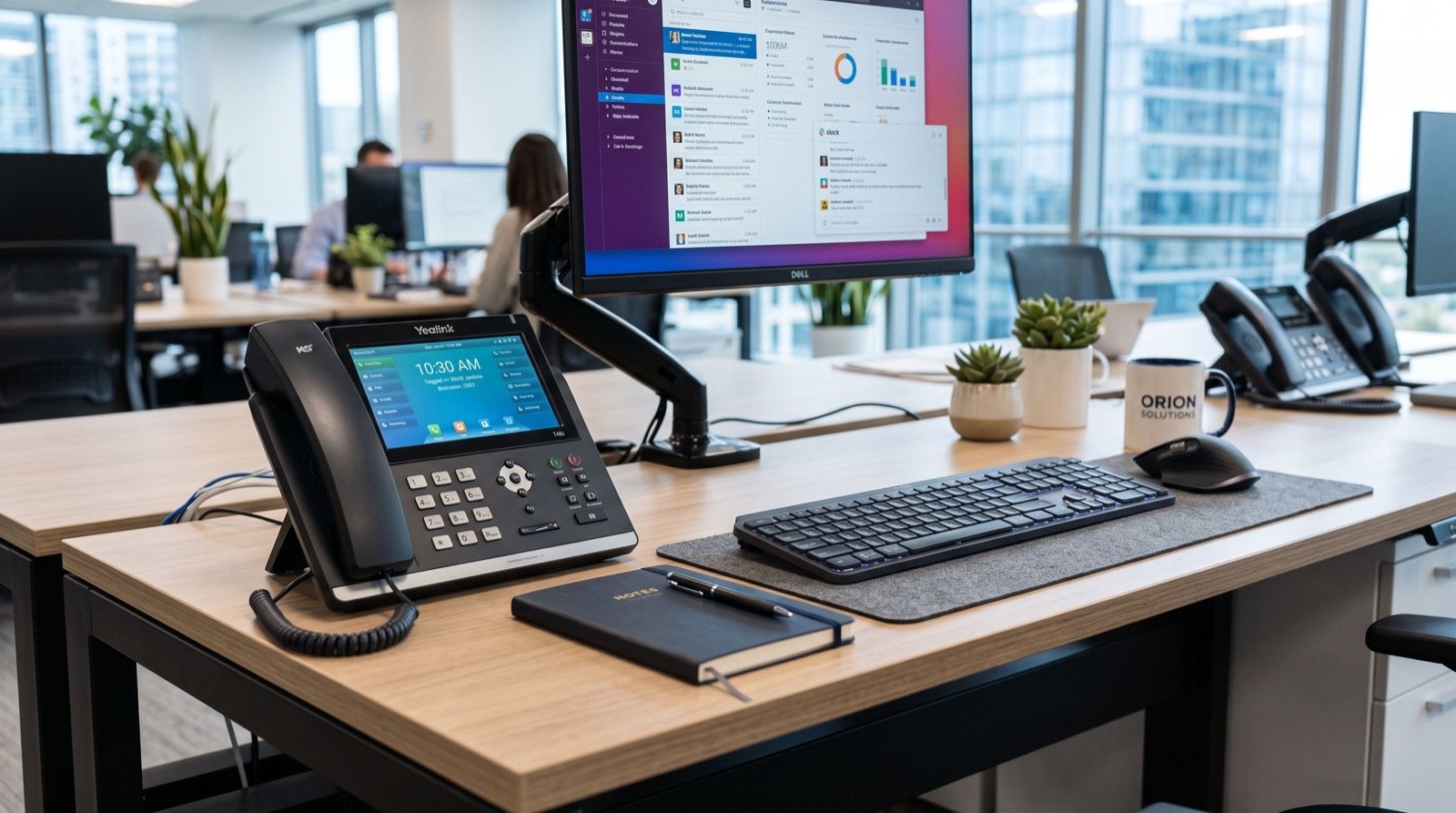
A glossy brochure cannot substitute for a knowledgeable advisor who actually understands zoning changes, upcoming infrastructure projects, and realistic resale timelines in your target area. Just as a business choosing office communication systems benefits from working with an experienced local team rather than guessing at specifications, land buyers benefit enormously from advisors who have closed dozens of similar transactions and know which societies deliver on their promises.
Ask any prospective agent how many transactions they closed in the last twelve months in that specific society. Vague answers are a red flag.
Financing and Payment Plans in 2026
Most developers now offer 2-4 year installment plans with a modest down payment, which has made land ownership accessible to salaried buyers who previously could only afford outright cash purchases. It’s also worth checking official FBR property valuation tables for your target area, since these government-notified rates affect transfer taxes and give you an independent benchmark against the developer’s asking price. When comparing plans, pay attention to:
- Down payment percentage and confirmation letter charges
- Quarterly versus monthly installment structures
- Development charges billed separately from the plot price
- Possession timeline relative to payment completion
A transparent developer will put all of this in writing before you sign anything. If a sales representative is reluctant to share a written payment schedule, walk away.
Frequently Asked Questions
Is it safe to buy land for sale in Pakistan through installment plans?
Yes, provided the society has valid NOC approval and the developer has a verifiable track record of on-time possession in prior phases. Always get the installment schedule in writing and confirm penalty clauses before signing.
What documents should I collect before paying a token amount?
At minimum, request the allotment letter template, NOC copy, master layout plan, and proof of the seller’s legal title. Cross-check these with the relevant authority rather than relying solely on the developer’s paperwork.
How do I know if a plot location will appreciate in value?
Look at planned infrastructure (motorway access, interchanges, utility extensions), nearby commercial activity, and the pace of development in adjacent phases. Plots near completed expressway interchanges historically appreciate faster than interior, undeveloped blocks.
Are commercial plots riskier than residential plots?
They carry different risks, not necessarily greater ones. Commercial plots depend more heavily on footfall and visibility, so location precision matters even more than with residential land.
Final Thoughts
Buying land in Pakistan in 2026 still rewards patience, documentation discipline, and realistic expectations over hype. Whether you’re drawn to a quiet residential block or an expressway-facing commercial plot, the fundamentals don’t change: verify the NOC, read the payment plan carefully, and work with people who have actually closed deals in that society before. Start your shortlist today, visit the site in person, and make your next plot purchase a confident one rather than a gamble.